





Many people are suprised to learn that blood sugar doesn’t just affect weight and energy, it also plays a major role in how clearly you think. If you’ve ever felt mentally sluggish, forgetful, or unfocused, chances are high blood glucose is part of the reason.
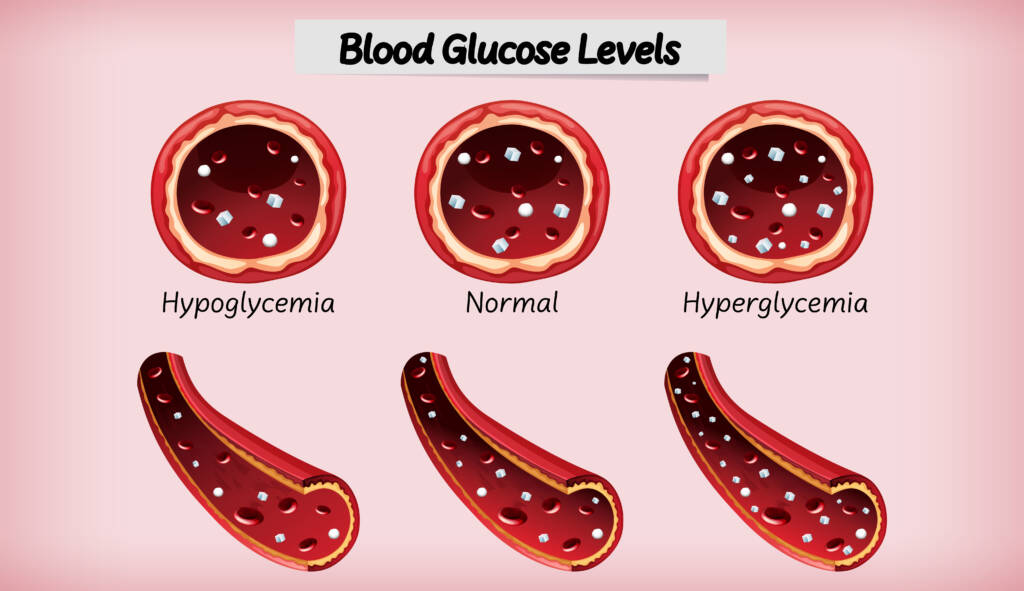
High blood glucose levels contribute to brain fog by damaging blood vessels, disrupting circulation, and interfering with brain cell function, leading to symptoms like fatigue, poor concentration, and memory issues. Due to lack of insulin, glucose can’t get into cells, it builds up in the blood, impairing the supply to the brain.
Glucose is the brain’s primary source of fuel. But when blood sugar levels spike too high or swing rapidly, the brain’s energy supply becomes unstable. This leads to:
Chronic hyperglycemia leads to vascular damage, limiting cerebral blood flow. This restriction deprives the brain of oxygen and glucose, contributing to brain fog and slower cognitive function.
High blood glucose levels cause fatty deposits to form inside blood vessels. Over time, these deposits make your blood vessels narrow and hard, lessening blood flow. High blood sugar can also damage small arteries that carry Oxygen to the brain, disrupting circulation and blood flow which deprives brain cells of what they need to function, leading to mental fogginess which impairs cognitive function. Slow mental processing happens because neurons can’t communicate as efficiently. Peripheral artery disease (PAD) produces fatty deposits that narrow blood vessels, mainly in your legs and feet. One-third of people with diabetes older than 50 have PAD. Over time, poor blood flow can be detrimental for your hands, legs and feet. Complications associated with poor blood flow include: Pain while walking, decreased sensation in hands or feet. increased risk of developing infections or ulcers of the foot, Slower healing time for wounds, nerve damage (neuropathy) that increases the likelihood of amputation
🩸UCLA Health: Improve Blood Circulation with Type 2 Diabetes
When blood sugar can’t get into cells (due to lack of insulin), it builds up in the bloodstream. This can damage nerves creating inflammation in blood vessels. This is while the brain’s cells don’t get enough fuel, which disrupts normal brain function.
Sudden glucose drops after spikes leave you feeling drained because excess glucose can increase levels of serotonin and other neurotransmitters, which can have an opposite effect to their normal positive impact on brain cells, leading to tiredness, mood swing, low focus and forgetfulness.
Brian Fog is a symptom of impaired cognitive functions and can include:
🧠 Difficulty concentrating or making decisions
🧠 Memory problems
🧠 Mood swings, confusion, or irritability
🧠 Trouble problem-solving or processing information
🧠 Fatigue or tiredness
Track and maintain healthy blood glucose levels with continuous monitoring and personalized insights through the Metabloom app.
If you are concerned with high blood glucose or simply prefer to keep it in a normal range to prevent future chronic disease potensial in your life, you need to monitor your blood glucose. In order to manage this effectively, our platform’s CGMs paired with Metabloom application helps you to manage this, by focusing on achieving healthy blood sugar levels through a balanced diet to maintain a healthy lifestyle.